
Internet governance
What is Internet governance?
Internet governance refers to the collective rules, policies, standards, and decision-making processes that shape the evolution and use of the Internet. It encompasses a wide range of issues, from technical coordination and infrastructure management to human rights, cybersecurity, and digital inclusion.
The governance of the Internet is unique in that it is multistakeholder: governments, private sector, civil society, academia, and the technical community all play roles in shaping how the Internet functions and evolves. This model ensures that no single entity controls the Internet, and that diverse perspectives contribute to its development.
The objective of Internet governance is to ensure that the Internet continues to meet the needs of people with diverse interests and agendas. Communities rely on the Internet for different purposes. Through this multistakeholder approach of Internet governance, the Internet community is able to collaborate, negotiate, and shape the policies and practices that guide the Internet’s development.
Rather than being a single process or institution, Internet governance is a distributed and evolving system of engagement that allows participants to engage on equal footing. It aims to balance competing interests, promote shared values like openness and security, and ensure that the Internet remains a global resource that serves the public good.
For APNIC, participating in Internet governance is essential to:
- Advocate for the interests of APNIC Members and the broader Asia Pacific Internet community.
- Ensure that technical expertise informs policy discussions.
- Support inclusive and open processes that strengthen the Internet’s resilience and accessibility.
Why APNIC participates
As the Regional Internet Registry (RIR) for the Asia Pacific, APNIC plays a critical role in the technical coordination of the Internet. This includes managing Internet Number Resources (INRs) like IP addresses and Autonomous System Numbers (ASNs), supporting network operations, and building technical capacity across the region. APNIC’s responsibilities also include contributing to the broader processes that shape how the Internet is governed.
APNIC participates in Internet governance to:
- Ensure that technical expertise informs policy discussions: Many Internet governance issues, such as routing security, IPv6 deployment, IXPs, cybersecurity and DNS management, require deep technical understanding. APNIC brings this expertise to multistakeholder and multilateral forums to help ground decisions in operational realities.
- Represent the interests of the Asia Pacific Internet community: APNIC advocates for inclusive, regionally relevant approaches to Internet development and governance, ensuring that voices from the Asia Pacific are heard in global discussions.
- Support open, multistakeholder processes: APNIC believes that the Internet’s success depends on collaborative governance. By engaging in forums like the IGF, WSIS, and other regional and global initiatives, APNIC helps strengthen these processes and promote transparency, diversity, and shared responsibility.
- Build capacity and foster participation: Through training, fellowships, and support for regional and national Internet governance Forums (IGFs) and schools of Internet governance, APNIC helps individuals and organizations across the region engage meaningfully in Internet governance.
Participation in Internet governance is not just about public policy. It’s about ensuring that the Internet continues to evolve in ways that are global, open, stable, and secure.
Key forums and processes
Internet governance is not managed by a single institution, but rather takes place across a range of forums, processes, and organizations. APNIC engages in many of these to ensure that technical perspectives are represented and that the Asia Pacific technical community has a voice in shaping the Internet’s future.
United Nations (UN) Internet governance Forum (IGF)
The IGF is a global multistakeholder platform for dialogue on Internet policy issues. It does not produce binding outcomes, but it plays a vital role in shaping understanding and consensus.
APNIC regularly participates in IGF events, contributes to workshops, and supports the inclusion of technical voices in discussions.
UN World Summit on the Information Society (WSIS) and WSIS+20
WSIS was launched by the United Nations to address issues related to the global information society. The WSIS+20 process marks the 20-year review of its outcomes and is a key moment for assessing progress and setting future priorities.
APNIC has actively contributed to WSIS+20, including:
- Formal statements to the UN Informal Interactive Stakeholder Consultation.
- Responses to the WSIS+20 documents including the Elements Paper and Zero Draft, outlining APNIC’s views on the future of Internet governance.
These documents reflect APNIC’s commitment to inclusive, technically informed governance.
APNIC Statement to the UN WSIS+20 Informal Consultations
APNIC Response to WSIS Elements Paper
NETmundial
NETmundial is a global multistakeholder initiative focused on developing principles and practical approaches for Internet governance. Unlike other forums, it is not affiliated with the United Nations, but it plays a significant role in shaping global thinking around governance models and stakeholder collaboration.
APNIC participates in NETmundial at a strategic level, contributing technical expertise and supporting efforts to strengthen inclusive, consensus-driven governance.
Other forums and processes
APNIC supports and participates Internet governance activities at the regional and national level (for example Asia Pacific Regional Internet Governance Forum, Pacific Islands Internet Governance Forum, and Australian Internet Governance Forum and supports Schools of Internet Governance, (for example the Asia Pacific Internet Governance Academy), which build capacity and foster participation in governance processes.
APNIC participates in the International Telecommunication Union (ITU) as a Sector Member of the Development (ITU-D) and Standardisation (ITU-T) sectors, and the Plenipotentiary Conference (ITU-PP). APNIC also participates in the Asia-Pacific Telecommunity (APT) regional preparatory meetings for the major ITU world conferences as an Affiliate Member.
APNIC also contributes to the APEC Telecommunications and Information Working Group (TEL) as an Observer, and other intergovernmental forums where relevant.
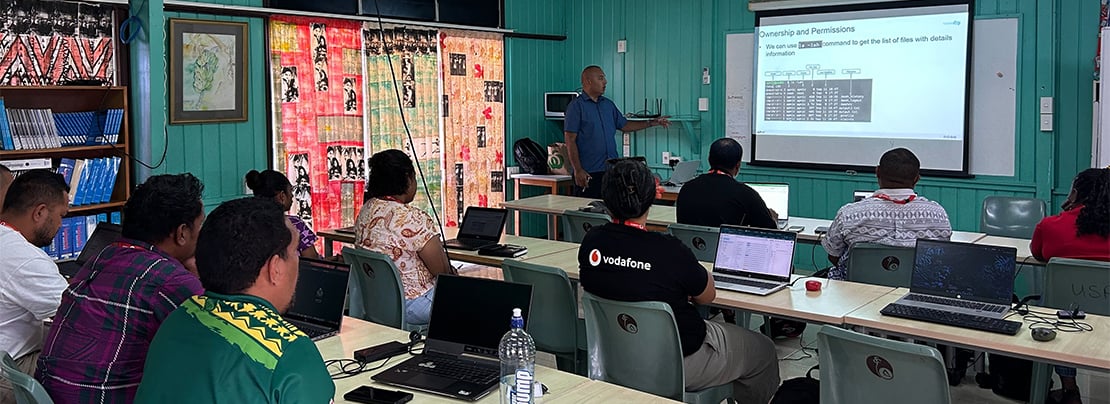
APNIC community engagement: July-December 2025 in review
How the Asia Pacific Internet community strengthened infrastructure, skills, and collaboration in the second half of 2025.

IGF 2025 releases new guide on financing community connectivity
A new publication launched at IGF 2025 outlines practical models for funding and sustaining community-centred connectivity initiatives.
How to get involved
Internet governance is a shared responsibility. Whether you’re part of a government agency, a business, a civil society organization, or the technical community, there are many ways to contribute to shaping the Internet’s future.
Here are some ways to get involved:
- Participate in national and regional Internet governance initiatives.
- Attend global forums like the IGF and WSIS+20.
- Engage with government and policy processes.
- Contribute to the multistakeholder model.
Join discussions at events like APNIC Conferences, local IGF or youth IGF, APrIGF, and PacIGF. These forums are open to all and provide opportunities to engage with local and regional issues.
These events bring together stakeholders from around the world to discuss Internet policy and development.
If you work in the technical community or private sector, consider starting conversations with policymakers to share your expertise and help inform decisions.
Internet governance depends on collaboration. You can contribute by joining working groups, submitting public comments to requests from organizations like Internet Corporation for Assigned Names and Numbers (ICANN) or the Intergetting involved in community consultations held during intergovermental processesrusted sources. Sharing your experience and insights helps strengthen the community and improve governance outcomes.