
APNIC is the Regional Internet Registry administering IP addresses for the Asia Pacific
APNIC is the Regional Internet Registry administering IP addresses for the Asia Pacific

Rolling the root key: What happened?
By Geoff Huston
The DNS root key was rolled on 11 October 2026. Was the key roll a success?

Being connected is not enough: Territorial inequalities in fixed-Internet access and performance
By Wilson Ramirez
Guest Post: High aggregate Internet penetration can mask significant territorial inequalities. Using the Dominican Republic as a case study, this analysis shows that access and network performance vary widely across provinces, highlighting why the digital divide is about more than simply being connected.
Homepage highlight

Thank you participating in APNIC 62
Thanks for participating in APNIC 62.
Watch the recordings to catch up on what you missed (or forgot).
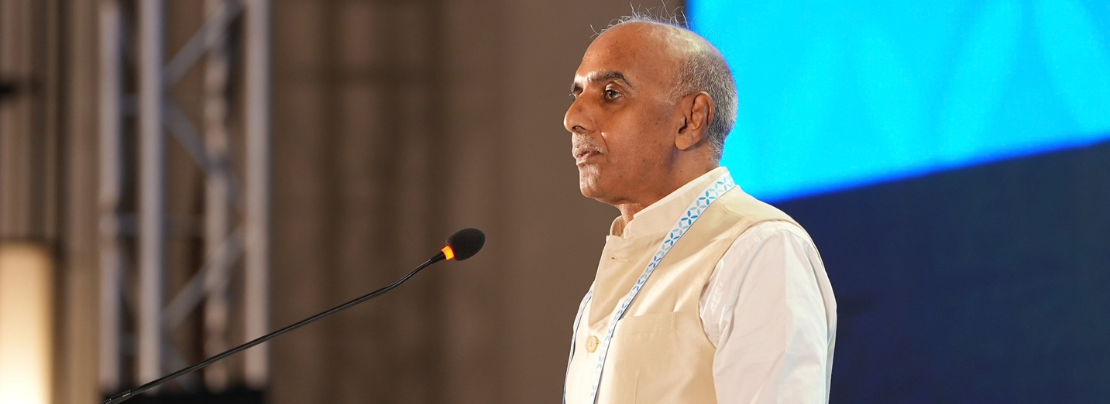
INNOG 9 at APNIC 62: Building resilient infrastructure for the next Internet
By Timothy Hildred
INNOG 9, co-located with APNIC 62, offered a distinctly operational perspective, drawing on experiences from India and Bangladesh. Topics ranged from IPv6 deployment and submarine cable infrastructure, to lessons learned from Internet disruptions.

APNIC 62: Automation, trust, and the future of Internet infrastructure
By Dan Fidler
At APNIC 62, keynote speakers Amajit Gupta and Yukako Uchida showed how the future Internet will depend on both autonomous, AI-driven networks and trusted human relationships.
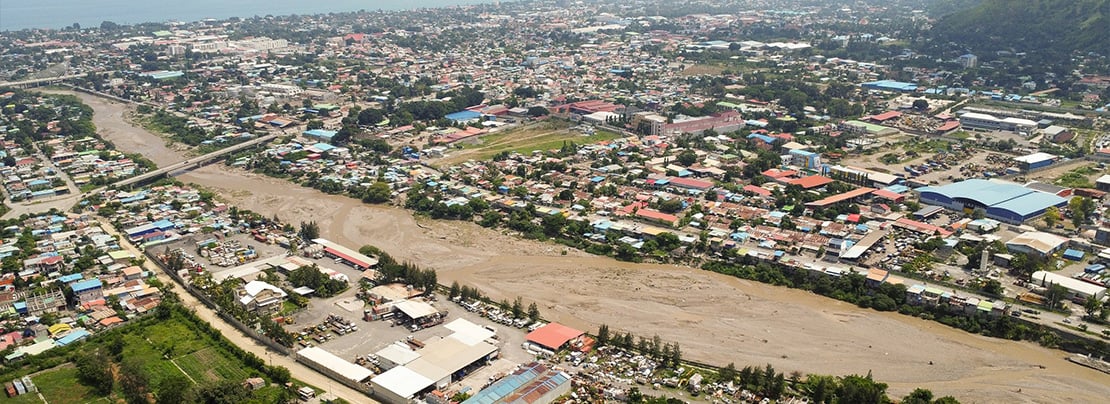
Timor-Leste’s Internet ecosystem enters a new phase of development
By Samantha Douglas
As Timor-Leste deepens its integration with ASEAN and the global digital economy, continued progress in technical capability, resilience, and Internet governance will be critical to ensuring connectivity delivers broader economic and social benefits.
![Banner image for [Podcast] The (dismal) economics of AI article.](https://blog.apnic.net/wp-content/uploads/2026/10/Financial-Growth-Chart-Plunging-Downward.png)
[Podcast] The (dismal) economics of AI
By George Michaelson
As capital, labour, and energy are redirected towards AI infrastructure, the economic risks and consequences could be felt by investors, communities, and consumers worldwide. Geoff Huston discusses the economics of the AI investment boom.
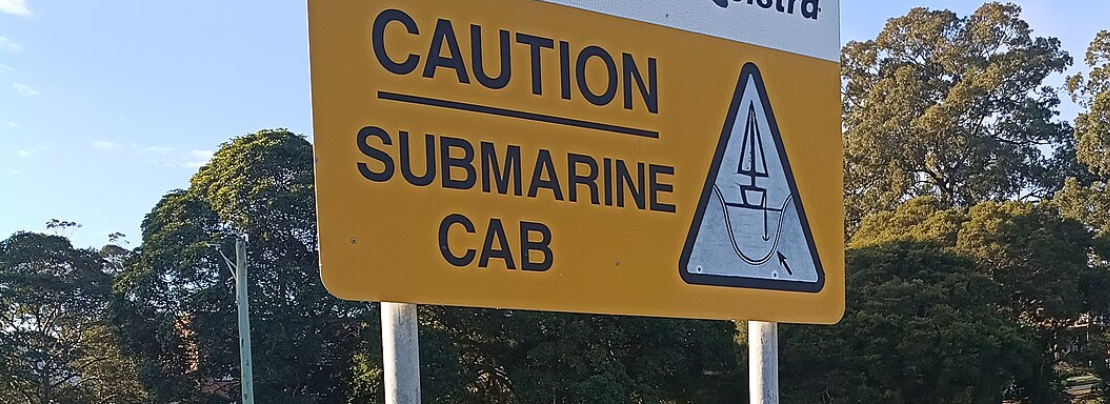
Submarine cable resilience
By Geoff Huston
The estimated 1.5M kilometres of subsea communications cables underpins our global telecommunication services. This critical infrastructure faces serious challenges in the coming years.

Resource delegation review update: Q3 2026
By Tony Smith
APNIC reported progress on the resource delegation review program at APNIC 62.